Chris Curl,
Editor
July 16, 2026
Tesla just turned the end of an era into the beginning of something much bigger.
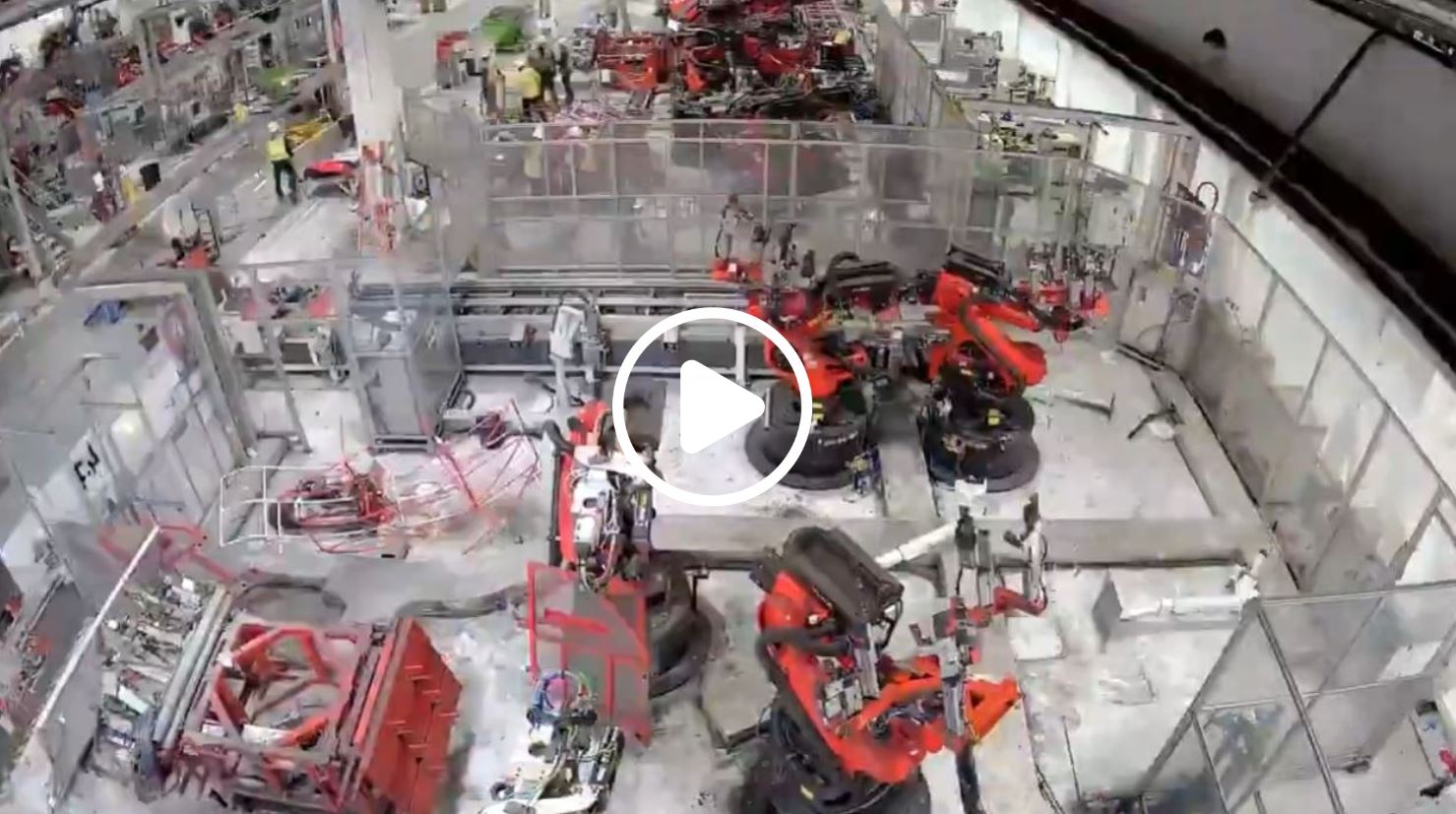
For a decade, the Model S and X lines in Fremont were symbols of the electric‑vehicle revolution: stamped metal, battery packs, quiet torque. Now those lines are being stripped and rebuilt into something stranger: a humanoid robot factory.
The same space that once birthed high‑end sedans is being retooled to assemble Optimus units, limb by limb, sensor by sensor, brain by brain. In one move, Tesla signaled that robots are not a side project. They are the next product line.
This is what the inflection point looks like in practice.
For years, the argument has been that robotics is tracing the same curve as software AI, just a few years behind. Large language models went from curiosity to infrastructure in about three years: GPT‑2 felt like a toy, GPT‑3 felt uncanny, and suddenly GPT‑4 and friends were quietly rewiring workflows across law, finance, advertising, and engineering. Robotics intelligence is still roughly at that GPT‑2 stage (surprisingly capable in controlled spaces, oddly clumsy in the wild) but the rest of the stack is catching up fast.
Costs are collapsing. You do not launch platforms like Isaac 1 at roughly $8,000 by accident.
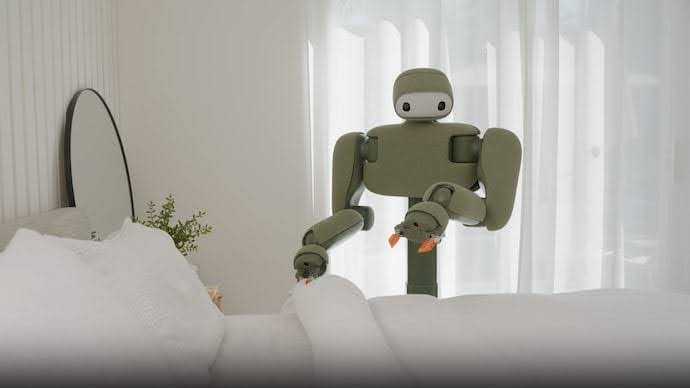
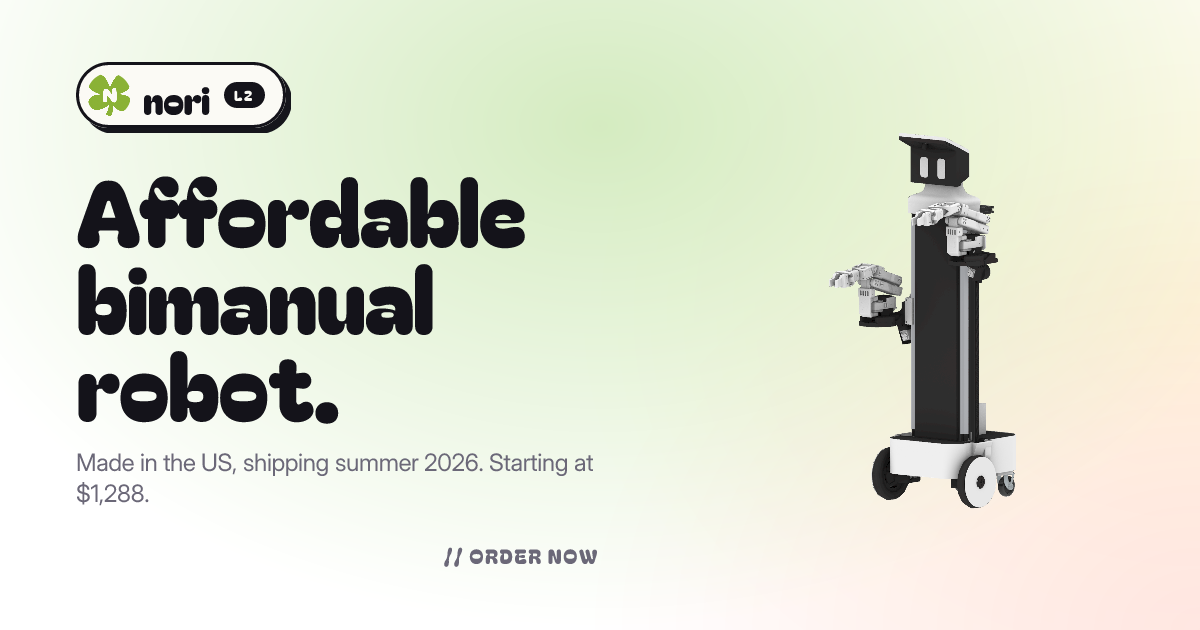
That number matters because it puts robots in the same economic conversation as cars and capital equipment, not exotic science‑lab artifacts. Nori L2 pushes the floor down even further, making “try a robot” feel like a budget line instead of a board‑level gamble.
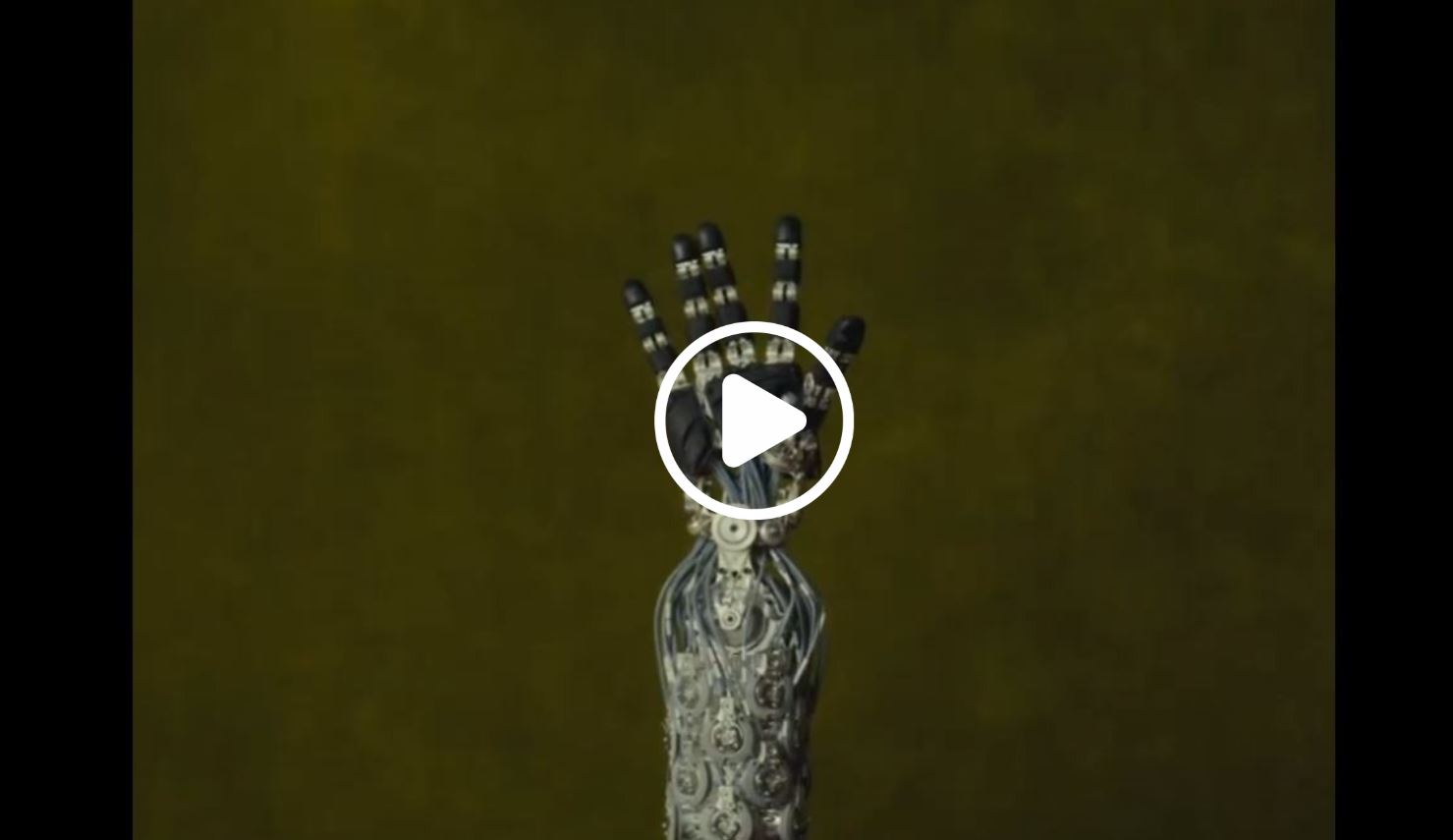
At the same time, companies like 1x are showing human‑like hand dexterity with tendon‑driven designs, tactile sensing, and fine motor control that can actually pick, place, sort, and assemble instead of just wave for a demo.
Tesla’s factory shift ties all of that together.
When a company that invented half of modern EV manufacturing decides to convert a legacy vehicle line into a humanoid line, it is saying two things.
First: the capability is now good enough to deserve production thinking. Second: the economics look credible enough to justify the pain of ripping out and rebuilding an entire flow. Robots are being slotted into the same mental bucket as cars: a mass‑manufactured product with a defined takt time, a cost curve to crush, and a global demand curve to chase.
Seen through that lens, the broader robotics thesis stops being abstract.
It says that we are entering the beginning of exponential growth for physical AI, not because every robot suddenly becomes genius‑level overnight, but because capability, cost and manufacturing have finally lined up.
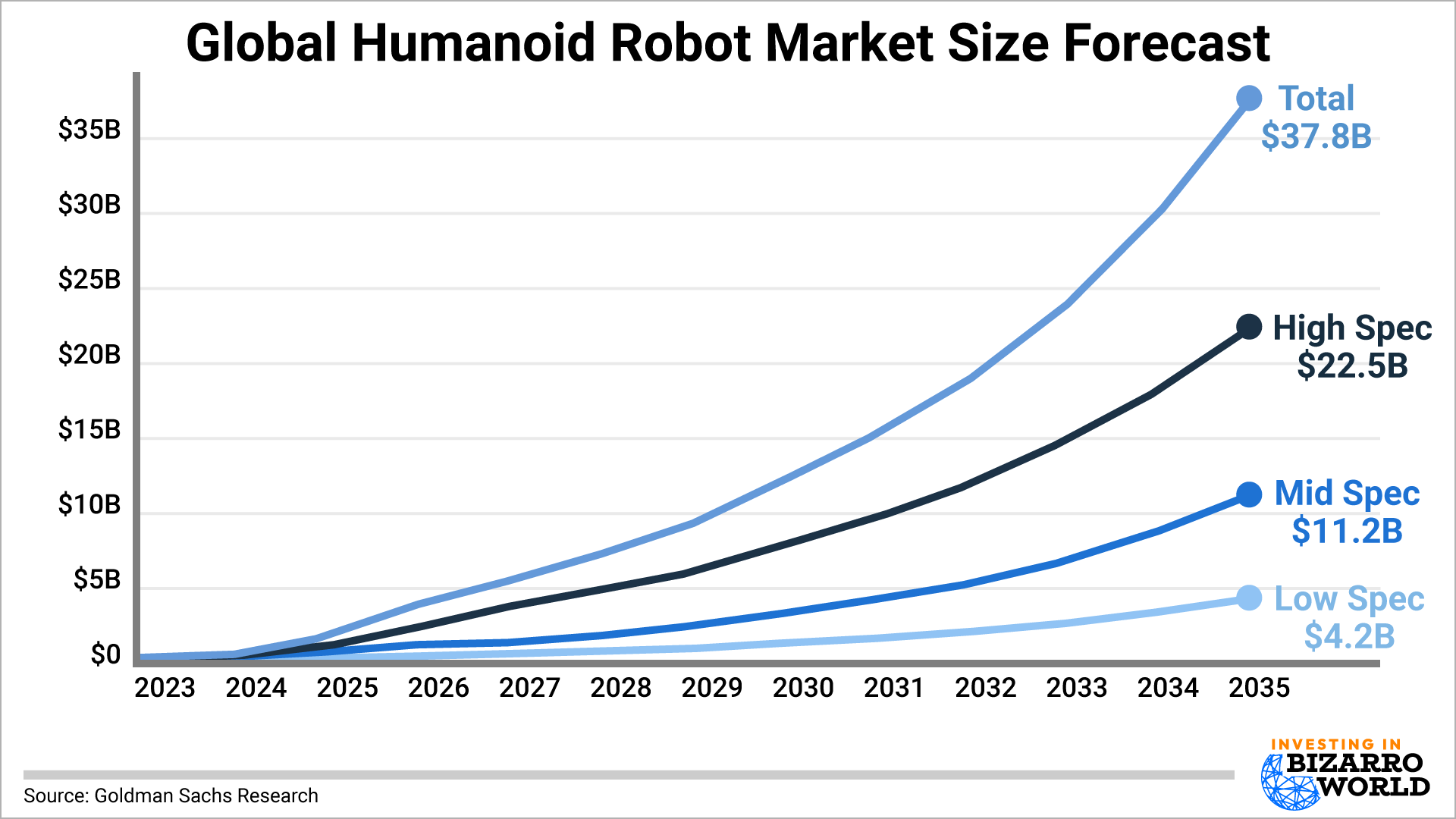
Intelligence is “good enough” to be useful. Hardware is “cheap enough” to be purchased. Factories are “flexible enough” to be repurposed. Once those three conditions are met, deployment curves usually stop being linear and start looking like the software AI adoption charts everyone has spent the last few years staring at.
Of course, this is exactly the moment when narrative risk goes up.
Every company with a prototype will claim it is the next Optimus. Every slide deck will show exponential curves. Every investor update will suddenly discover the word “humanoid.” Some of those will be real. Many will be noise. Some will be outright dangerous for capital. The challenge is no longer spotting the trend. The challenge is mapping it, so you can tell where value is likely to accrue and where you are just funding someone’s demo reel.
That is why Digital Dispatch exists.
It’s not here to cheerlead every robot on a stage. It is here to trace the actual ecosystem emerging behind scenes like the Fremont refit: who supplies actuators and sensors, which companies are mastering tendon‑driven hands, where Isaac 1 and Nori L2 are actually being deployed, and how cost curves and manufacturing decisions ripple into the broader industrial and labor markets. It treats Tesla’s Optimus line not as a meme, but as one node in a larger network of physical AI, from warehouse bots to factory cobots to full humanoids.
The thesis I’ve been hammering on is simple: robots are about to take off the way software AI already did. Tesla’s decision to transform a car line into a robot line is one of the clearest early proofs. Isaac 1’s pricing, 1x’s hand dexterity, and Nori L2’s affordability are more signals pointing in the same direction. The job now is to stop treating those signals as isolated anecdotes and start reading them as coordinates on a map.
Digital Dispatch is your map to investing in the robotics revolution unfolding right now.
The next decade belongs not just to software that thinks, but to machines that move, lift, and build. Digital Dispatch shows you how to invest in this sector before the mainstream catches on.
If you missed AI, you definitely don’t want to miss robotics.
Click here to get started.
Keep coming back,

Chris Curl
Editor, Bizarro World