Chris Curl,
Editor
July 23, 2026
Most investors only ever see the deals that are designed for them to lose.
By the time a hot growth story shows up in a public ticker, the earliest money has already been paid. The founders, seed funds, and early institutions took the real risk when the business was still ugly and uncertain. Everyone else is handed the glossy version: a roadshow, a ticker symbol, and a price that quietly bakes in years of upside that already went to someone else.

Private Placement Intel exists to attack that imbalance.
The core idea behind PPI is simple: there is a second, often hidden market where serious capital gets deployed before the headlines, and individual investors are usually shut out of it…
Not because they are incapable of understanding the deals, but because the machinery is opaque by design. The documents are dense, the networks are closed, and the marketing is aimed at institutions that already know how to read between the lines.
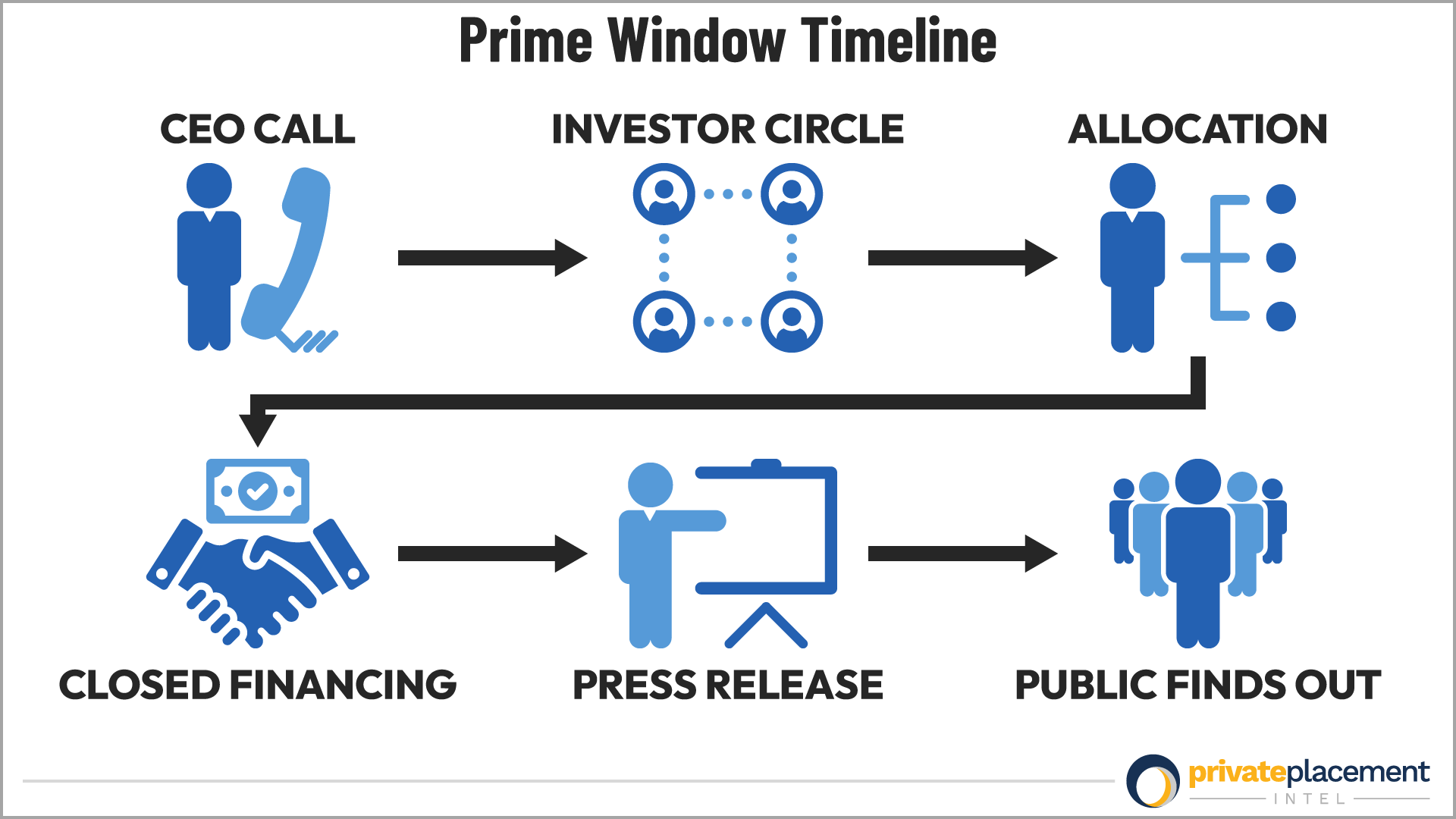
The market is full of example after example where companies that looked like “overnight successes” in public markets but had already gone through years of quiet private financing at far lower valuations. Real wealth creation happened in the placements, warrants, and structured financings that never made it onto CNBC. Before retail investors piled into the story after the fact, right as the asymmetry disappeared and the risk stayed behind.
Private Placement Intel is built for people who are tired of living on that wrong side of the trade.
PPI’s job is not to throw random private deals at you. It is to filter an enormous universe of offerings down to the rare cases where the risk, structure, and timing actually create a shot at asymmetric upside. That means digging into terms instead of just tickers: liquidation preferences, conversion mechanics, discount structures, attached warrants, lockups, and the incentives of every player involved. It means asking whether the company is raising to survive, to sell a story, or to actually scale something real.
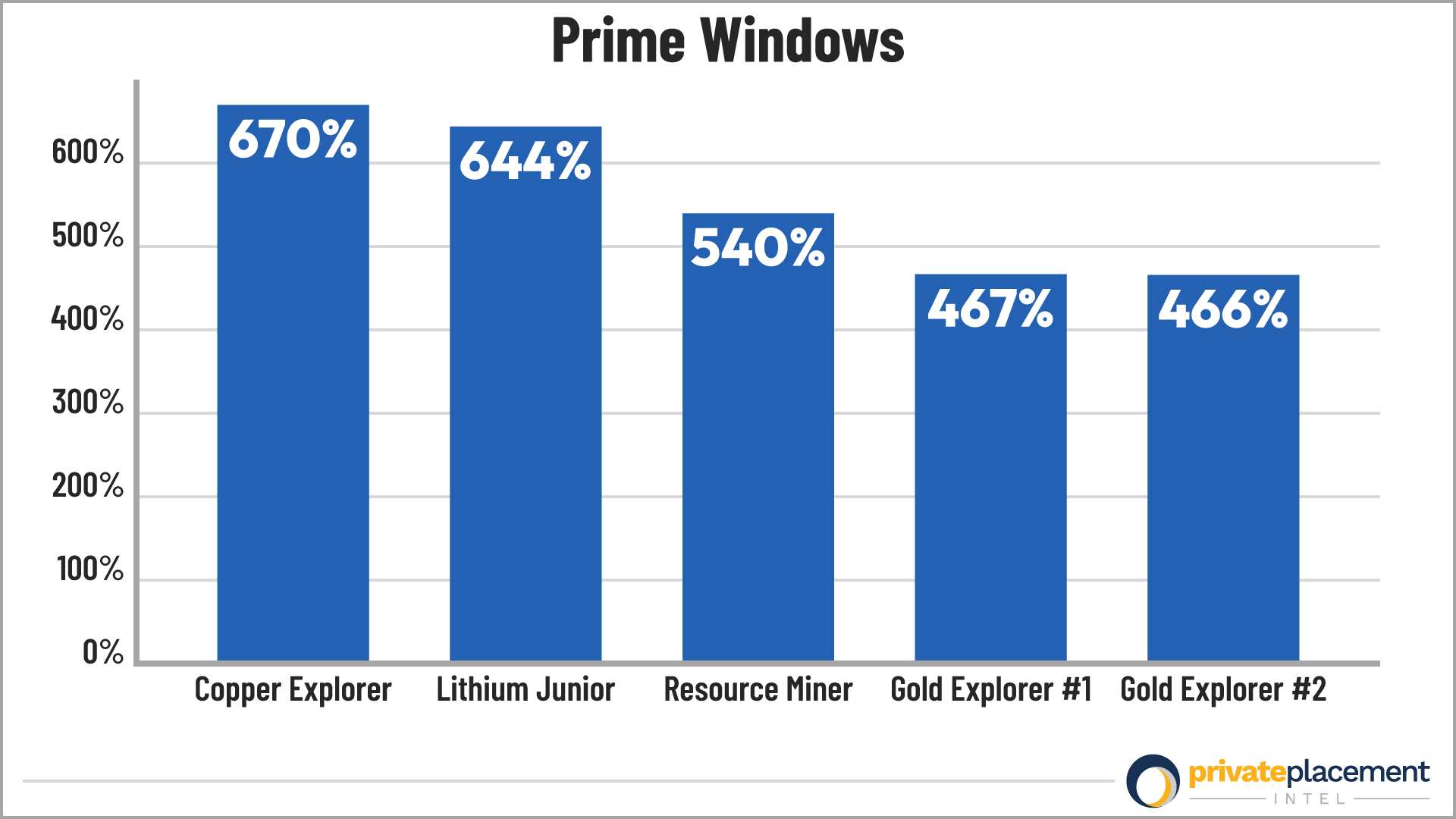
In other words, PPI is not trying to replicate the public tip-sheet model in private markets. It is trying to give you the information and analysis that institutional desks take for granted (and that most individual investors never even see).
This is also why PPI fits so naturally alongside the other publications here.
Digital Dispatch has always been about getting ahead of the cycle in the places that matter: AI, robotics, hard money, infrastructure. It is about finding the enabling layers that the market will eventually have to recognize and owning them before they are priced like perfection.
Private Placement Intel is the same philosophy applied one level earlier, in a part of the capital stack most people never see. Dispatch shows you which themes are worth your attention. PPI shows you where, inside those themes, the private capital is moving—and when the terms actually justify stepping in.
The world is not getting simpler. The gap between the deals institutions see and the scraps retail is offered is not going to close on its own. If anything, as AI, robotics, and crypto reshape the economy, that gap will widen.
The choice is straightforward: either accept that you will always be the last one in, or start learning how to operate closer to where the real decisions get made.
Private Placement Intel is an attempt to give you that second option.
Click here to get started.
Keep coming back,

Chris Curl
Editor, Bizarro World